The Lifespan Guide
Everything you need to know to live a long and healthy life.
Updated November 15, 2026. 15 guide pages, 30 questions, 9 myths, from 210 published sources.
How long will I live?
A minute of quick taps. Every number comes from a published US study, shown as a range, never a date.
6 more to go and your estimate appears here.
How to live longer: the simple plan
Ten small steps, biggest first, each tied to fewer deaths in large studies. Pick the two that look easiest and start this week.
-
Start with the habits, if you want to and if you can
No pill has been shown to add a year
-
If you smoke, set a quit date
About 9 years back, quitting at 35 to 44
-
Walk briskly for 11 minutes a day
23% lower death rate
-
Lift weights twice a week
13% lower death rate, on top of cardio
-
Take a week of home blood pressure readings
13% fewer deaths per 10 points lower
-
Eat nuts and a vegetable every day, and fried food rarely
20% lower death rate with nuts every day
-
Get up at the same time every day
20% to 48% lower death rate
-
Drink less, and none is fine
25% higher death rate at 2 drinks a day or more
-
Cut the sudden risks: buckle up, test the smoke alarms, book a screening at 45
45% lower risk of dying in a crash with a seat belt
-
Test yourself every couple of months
About 4 times the risk at the lowest floor test scores
Your life, in pictures
Charts and tools built from the US life table and the studies, not from guesses.

Your life in weeks
Your life as a grid, the summers ahead, and the days left with your parents, from the US life table.

Are you afraid of the right things?
Sharks, planes and terrorism beside what actually kills Americans, with the real odds.

Ten small changes
Start this week: each one sized from its study, with the guide that covers it.

Are blue zones real?
Missing centenarians, pension fraud and what holds up anyway. The case file.
The questions people ask

How long you'll live
-
 Does your family history decide how long you'll live?Less than people think. A parent's early heart disease is a real warning, but a long-lived grandmother counts for little until very old age. Habits move more.
-
 How accurate are life expectancy calculators?Good for groups, rough for one person. Trust one that gives a range and prints its formula, and walk away from any that gives you a date.
-
 What age will I die?Nobody can give you a date. A woman of 50 reaches about 84 on average and a man about 80, and the way you live moves your own number by years.
-
 What is the average life expectancy in the US?79.0 years at birth in 2024: 81.4 for women and 76.5 for men. But that counts everyone who dies young. At 65, Americans can expect another 18 to 21 years.
- Why do women live longer than men?In the US the gap is about 5 years: 81.4 against 76.5 in 2024. Biology explains a year or so. Most of the rest is how men live, and women spend more years unwell.

At your age
-
 How do you live longer after 65?Shift from prevention to reserve: strong legs, good balance, enough protein and a brisk walking pace, since falls and frailty decide how long you stay independent.
-
 Is 50 too late to start exercising?No. The biggest US study of habits and lifespan measured from 50, and people who got active in midlife had the same drop in risk as people active all their lives.
- What are the chances of living to 90 or 100?At 65, about 36 in 100 women and 25 in 100 men reach 90, and about 3 women and 1 or 2 men in 100 reach 100, by the 2024 US life table.
-
 Why does life expectancy go up as you get older?Every birthday takes away the chance of dying younger. A woman of 65 reaches about 86 on average, not 81, and a woman of 80 reaches about 90.
Habits that add years
-
 Does blood pressure affect how long you live?Strongly, and it's the number most people don't know. About 4 in 10 Americans with high blood pressure aren't aware of it. A week of home readings answers it.
-
 Does drinking shorten your life?Heavy drinking does, by years. Light drinking doesn't add years once studies stop counting former drinkers as non-drinkers. Fewer is safer, and none is fine.
- Does losing weight help you live longer?For a big waist or a lot of extra weight, yes. A few extra pounds carried little risk in the big US study. The tape round your waist tells you more than the scale.
-
 Does sitting all day shorten your life?Mostly through the moving you don't do. In a million adults, about an hour a day of brisk activity cancelled the extra risk of sitting 8 hours. Find that hour.
-
 Does sleep affect how long you live?Yes, and the time you get up counts more than the hours. In 60,977 adults, regular sleep timing predicted a longer life better than hours slept. Fix your wake time first.
-
 Does vaping shorten your life?Nobody knows yet, since vapes are too new for lifespan studies. Switching fully from cigarettes is very likely better than smoking, and not vaping beats both.
-
 How many years does smoking take off your life?More than 10. Quitting before 40 avoids about 90% of the extra risk, and people who quit at 45 to 54 still gained about 6 years in US data.
-
 What is the best diet for a long life?No branded plan wins, and four healthy patterns did about as well. Eat mostly vegetables, fruit, beans, nuts, whole grains and fish, with little processed meat or soda.

Fitness and strength
-
 Does grip strength predict how long you live?It does. Each 11 pounds (5 kg) less grip went with 16% higher risk in 139,691 adults, a better predictor than blood pressure. Hang from a bar and carry heavy bags.
-
 Does lifting weights help you live longer?Yes. In 147,374 Americans, 90 to 120 minutes of strength training a week went with 13% lower risk on top of cardio, with no extra gain past 2 hours.
-
 Does VO2 max predict how long you live?Strongly. The least fit quarter had about 5 times the risk of the fittest 2% in 122,007 treadmill tests, a bigger gap than smoking. And it's a number you can raise.
- Does walking speed predict how long you live?In adults over 65, closely. A normal pace of about 2.2 mph (1 meter a second) or faster went with longer-than-average survival. Time yourself over 13 feet.
-
 How long should you be able to stand on one leg?At least 10 seconds after 50. In 1,702 adults aged 51 to 75, one in five couldn't, and they had 84% higher risk over 7 years. Balance improves with practice.
- How much exercise do you need to live longer?The US guideline, 150 minutes of brisk activity plus two strength days a week, gets most of the benefit. More keeps helping up to about 3 to 5 times that.
-
 What is the sitting-rising test?Sit down on the floor and stand back up, using as little support as you can. A score of 0 to 4 out of 10 went with about 4 times the risk of a perfect 10.

Your body's real age
-
 Are biological age tests accurate?Not enough to trust one result. They disagree with each other, and the same sample run twice gave ages up to 9 years apart. Track markers you can change instead.
- Can you reverse your biological age?You can move the markers, and your fitness age moves every time your fitness does. Nobody has shown that turning back a DNA clock adds years to a life.
- What is biological age?Three different things: your fitness tests, your blood, your DNA. They measure different parts of aging, they're never averaged, and the free one is the most useful.
- What is healthspan?The years you live in good health. Americans have the widest gap between lifespan and healthspan of 183 countries, about 12.4 years. The same habits add both.
-
 Which blood tests matter most for a long life?ApoB and HbA1c first. One counts the particles that clog arteries, the other shows your 3-month blood sugar. Check blood pressure beside them.
Pills, drugs and tests
Five numbers worth knowing
79is the wrong number
The 79 years you hear about is the US average at birth, and it counts everyone who dies young. An American who reaches 65 can expect about 18 more years if a man and 21 if a woman.
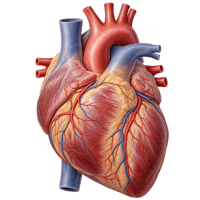
12.4years in poor health
Americans spend about 12 years of life in poor health, the widest gap between lifespan and healthy lifespan of 183 countries.
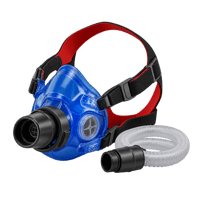
5xfitness
In 122,007 people sent for a treadmill test, the least fit quarter were about five times as likely to die as the fittest 2 percent over about 8 years. Fitness is a number you can test and raise.

48%steady sleep
Going to bed and waking at regular times predicted death better than how long people slept. In 60,977 UK adults, the more regular sleepers had a 20 to 48 percent lower risk than the least regular fifth.

90%quit before 40
Quitting smoking before 40 avoids about 90 percent of the extra risk of dying from smoking, and in the US data quitting at 45 to 54 still gave back about 6 years.
Myth or fact?



Quick calculators

How long will I live?
Your estimate as a range beside the US average, and the habit costing you the most years.
How long do people my age live?
The average age reached and the odds of 80, 90 and 100, from the US life table.
The floor test
Get up without your hands, stand on one leg, hang from a bar. Scored against the studies.

What quitting gives back
The years quitting gave back at your age in the US data.

What a study means for you
A headline's risk figure turned into real odds at your age.
The guide

How to live longer: everything we know about longevity
How to live longer: don't smoke, get fit, get strong and keep your blood pressure down. What ends most lives, what adds years, and a simple plan to start this week.